Seattle, a Gardening City
English
When you hear "Seattle," not many people picture gardening. Starbucks, tech, the outdoors, a rainy city — that's the image most people carry. But for plant lovers, this city is something special. Seattle is one of the top gardening cities in North America.
The first reason is the climate.
Thanks to the Pacific maritime climate, summers rarely get extreme and winters stay relatively mild. There's no brutal heat or deep freeze to punish plants; from autumn through spring the rain keeps the soil moist, and summers run dry with plenty of sun. People think of it as a rainy city, but from a gardener's eye you might say: nature does the watering in winter, and summer is easy to manage.
What makes it even better is how long flowers last.
In Japan, hydrangeas often peak with the rainy season and then fall apart in the muggy heat. In Seattle, thanks to the cool summers, hydrangeas hold their shape for an astonishingly long time. The same goes for roses — they don't burst into bloom and then collapse in the heat; they stay in good condition, season after season. For a gardener, the difference is large.
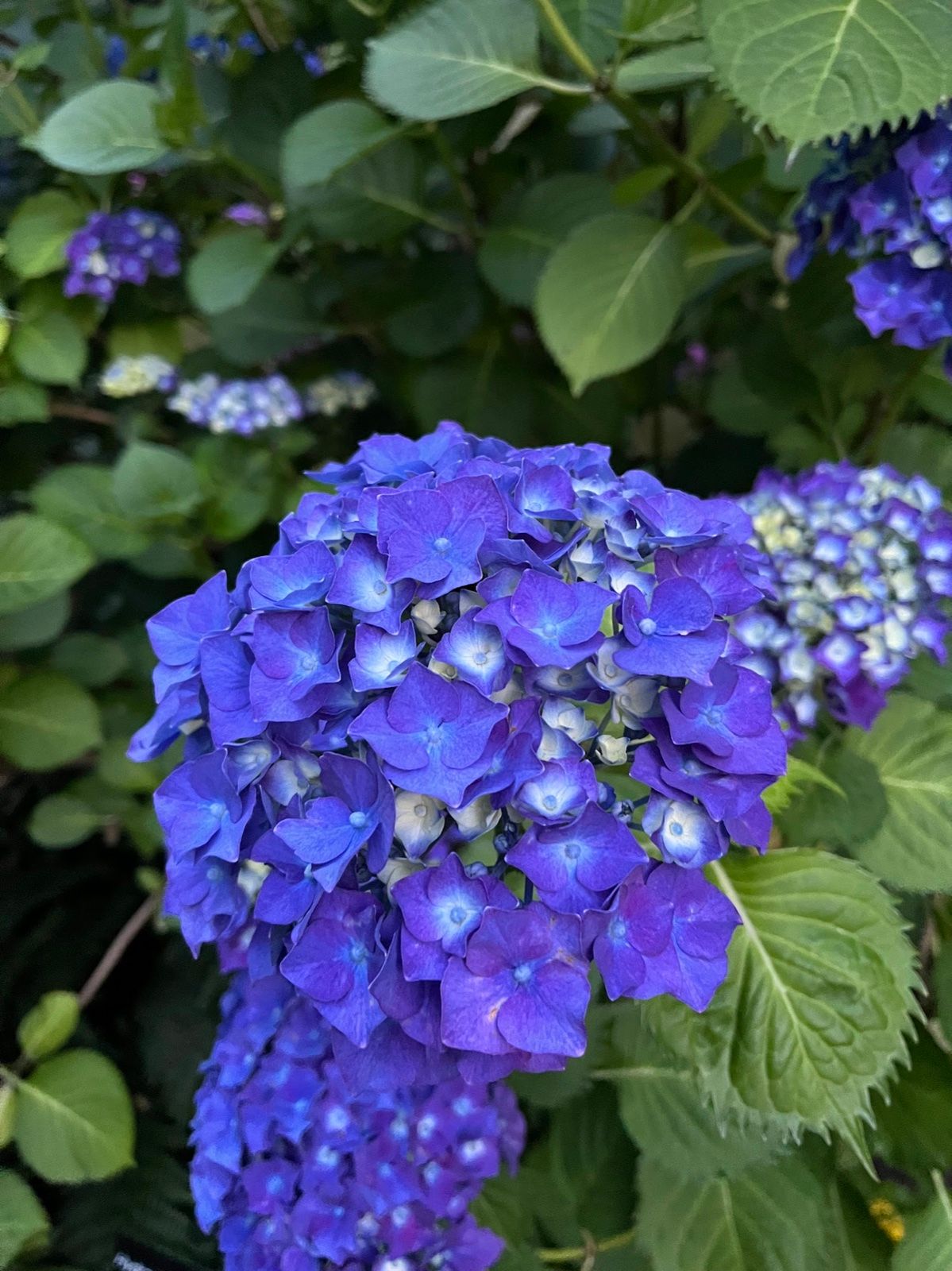
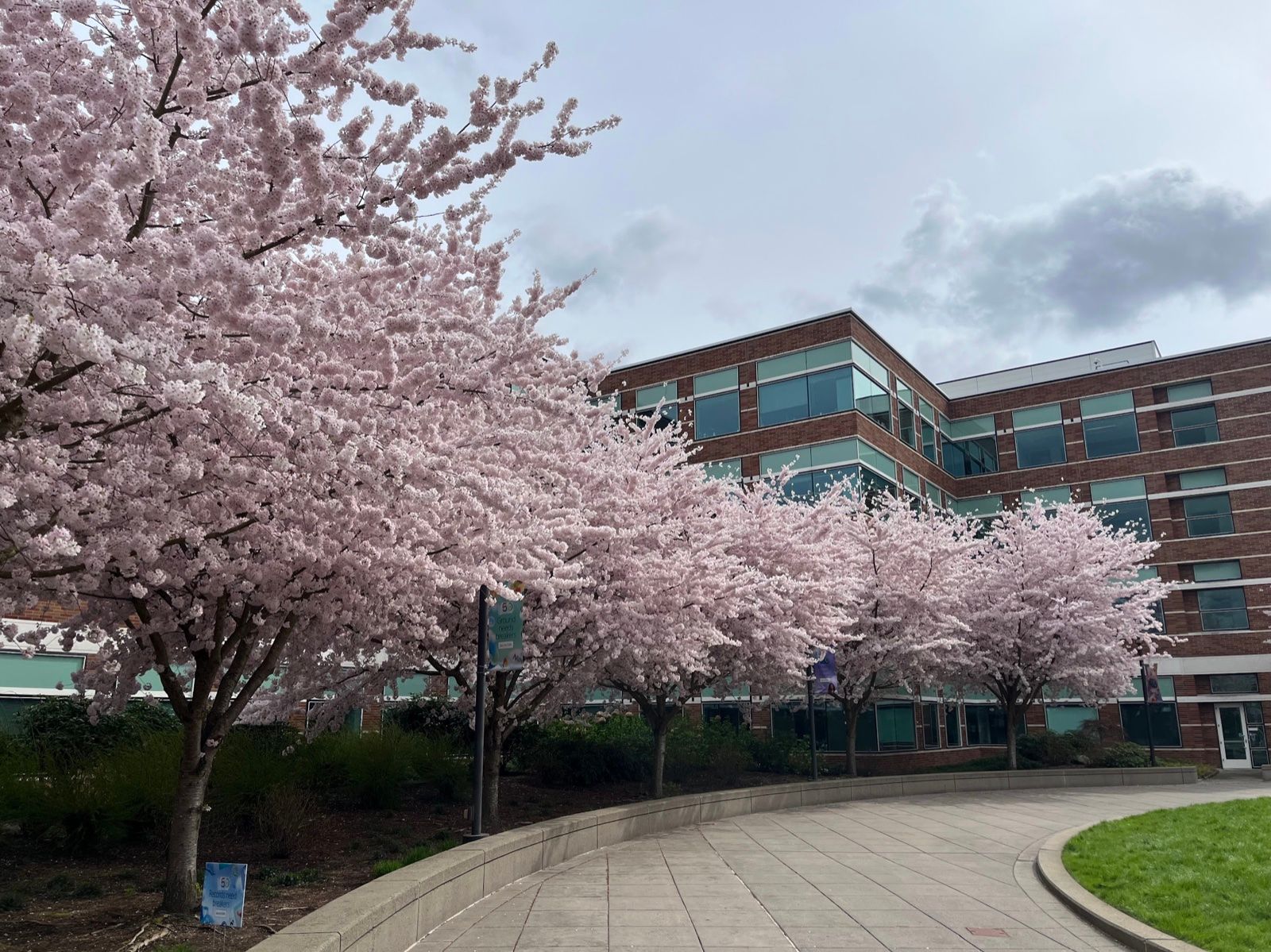
And here, the four seasons don't pause — they run on as a relay of flowers. Camellias and hellebores in winter; cherry blossoms, rhododendrons, and azaleas in spring; wisteria in early summer; roses and perennials through summer; foliage and fruit in autumn. No single season hogs the spotlight; something is always blooming, something is always beautiful.
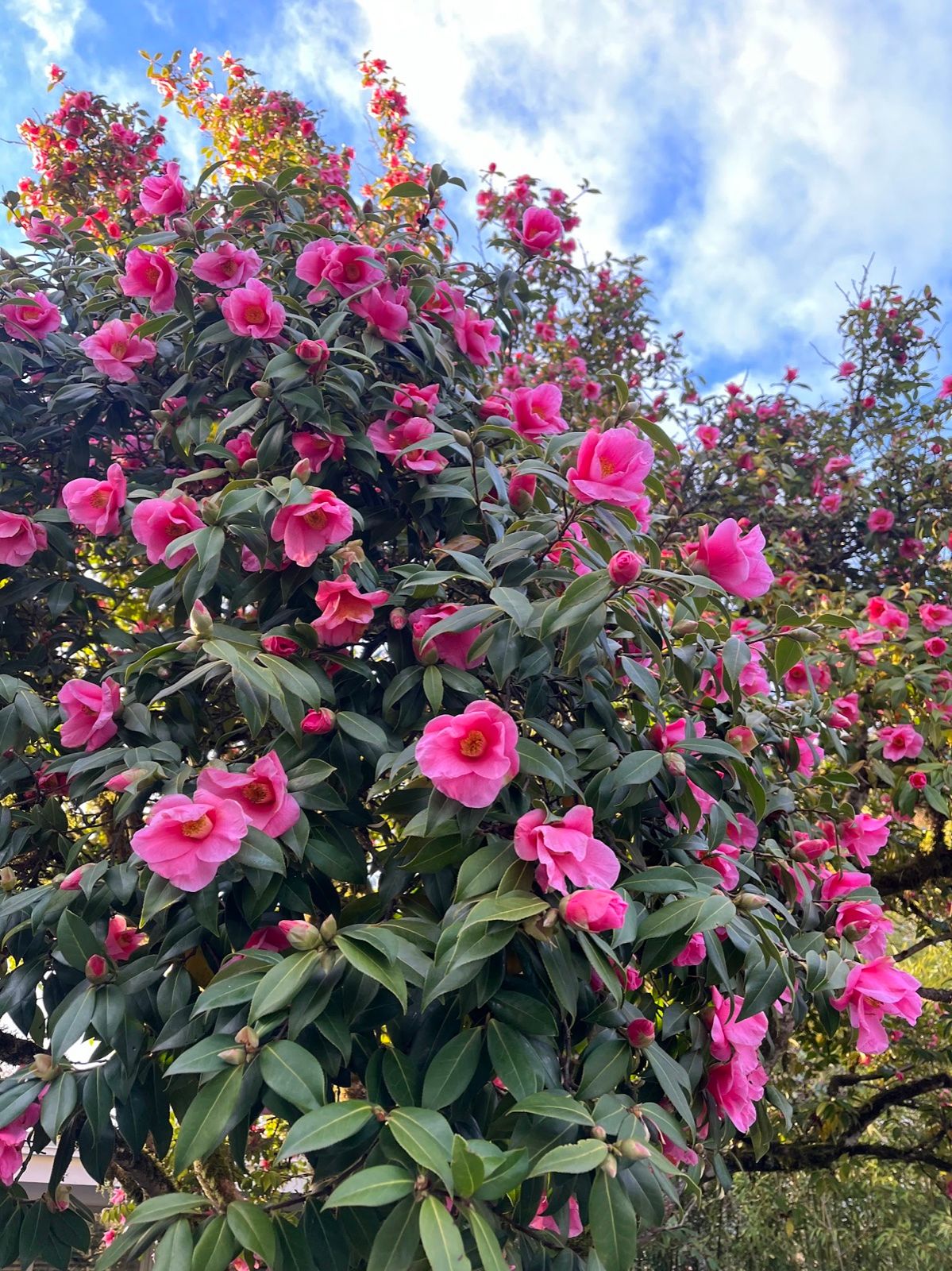
On top of this foundation, Seattle has another strength: a long history of plant imports.
As a Pacific trade port, many plants from Japan and East Asia arrived here and were tested for whether they'd take to North America. The mild climate made it an ideal proving ground for newly introduced species. It's no accident that hydrangeas, camellias, Japanese maples, cherry trees, and rhododendrons feel so naturally at home in this city.
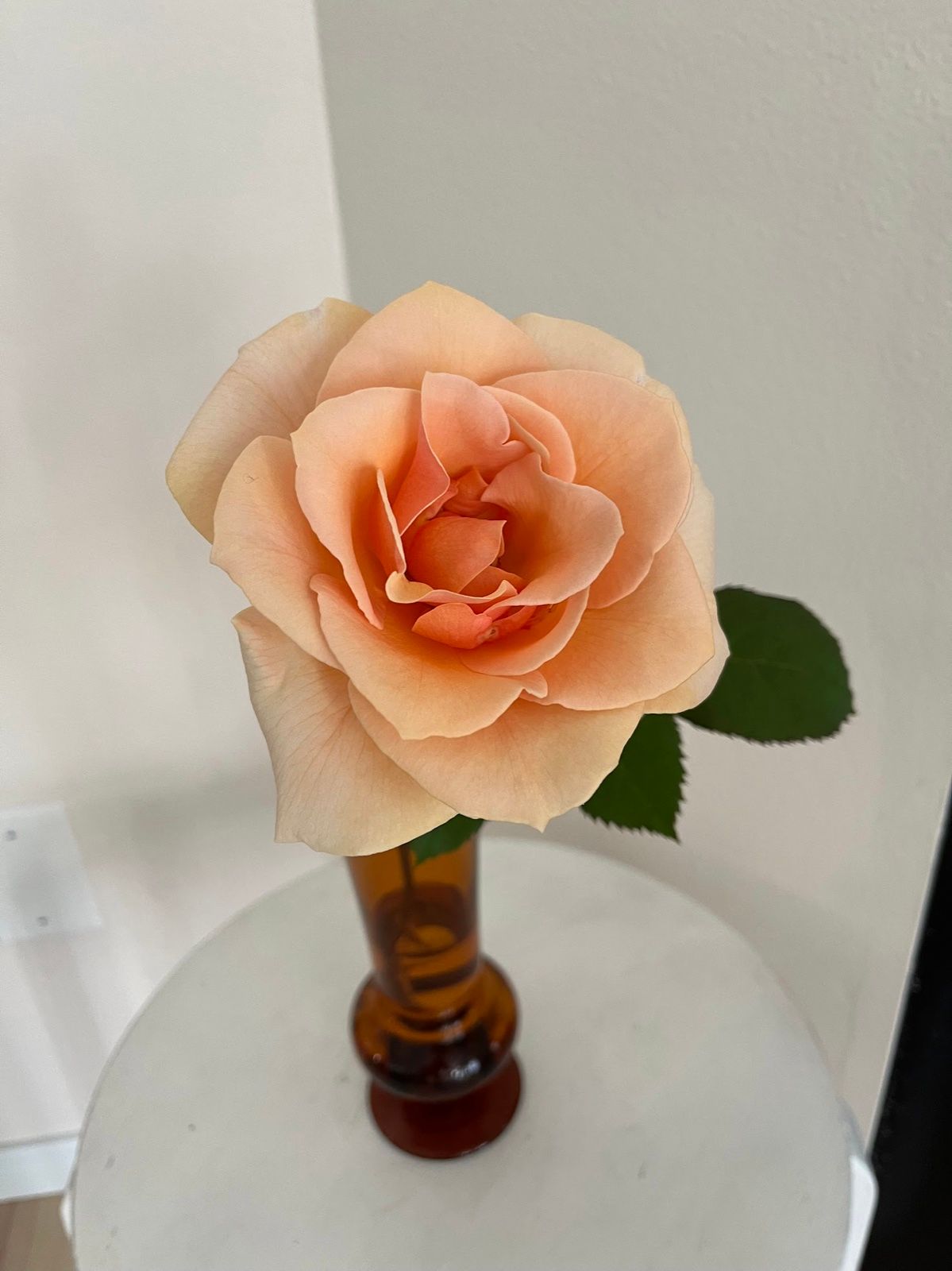
One symbol of all this is Woodland Park Rose Garden. A rose garden of this scale and quality, free to the public, with the cool summers keeping the flowers in good shape for weeks — it isn't just a park. It's the horticultural culture Seattle has built up, made visible.
What's even more interesting is the aesthetic running through the city's gardens. There's a Japanese sense of stillness and negative space — moss, stone, water — and at the same time the borders, layered perennials, and seasonal exuberance of English-style gardening. East and West blend naturally here.
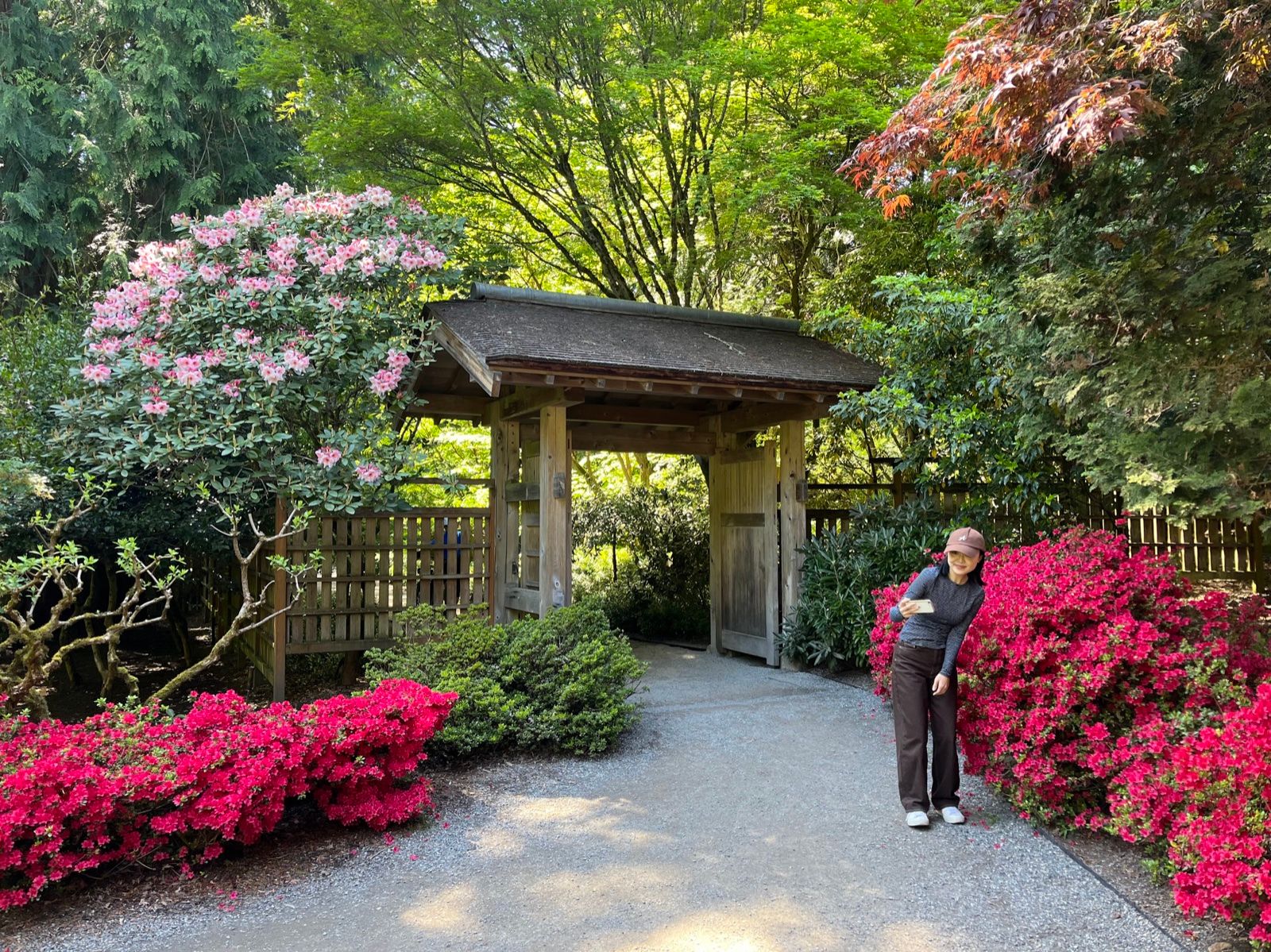
And the terrain — hills, lakes, forest, and sea woven together — gives the landscape a three-dimensionality. Gardens follow slopes; planting borrows distant scenery; greenery flows toward water. There's a depth here that flat cities don't have.
In short, Seattle isn't simply a city where flowers bloom. It's a city where flowers bloom long, the seasons never break, and the world's plant cultures have taken root. If you love plants, it's worth seeing once.
日本語 {#japanese}
シアトルと聞いて、園芸を思い浮かべる人は少ないでしょう。スターバックス、テック企業、アウトドア、雨の多い街。多くの人にとってはそんなイメージかもしれません。ですが、植物好きにとってこの街はかなり特別です。シアトルは、北米でも屈指の園芸都市です。
その理由は、まず気候の完成度にあります。
太平洋の海洋性気候により、夏は極端に暑くなりにくく、冬も比較的穏やかです。植物にとって過酷な猛暑や厳冬が少なく、秋から春にかけては雨が土を潤し、夏は乾き気味で晴天も多い。雨の街と思われがちですが、園芸家の視点では「冬に自然が水やりをしてくれ、夏は管理しやすい街」とも言えます。
さらに優れているのは、花が長く楽しめることです。
日本では紫陽花が梅雨の見頃を過ぎると、蒸し暑さで一気に傷んでしまうことも珍しくありません。しかしシアトルでは冷涼な夏のおかげで、紫陽花が驚くほど長く整った姿を保ちます。バラも同様です。暑さで一気に咲き切って終わるのではなく、状態よく長く楽しめる。園芸家にとって、これはかなり大きな違いです。
そしてこの街では、四季が止まらず花のリレーとして続いていきます。冬のツバキやヘレボルス、春の桜や石楠花、ツツジ、初夏の藤、夏のバラや多年草、秋の紅葉と実もの。一季節だけが主役ではなく、年間を通して何かが咲き、何かが美しいのです。
この土台の上に、シアトルにはもう一つの強みがあります。植物輸入の歴史です。
太平洋交易の港として、日本や東アジアから多くの植物がこの地に入り、北米で育つかどうか試されてきました。温和な気候は、新しく持ち込まれた植物の試験栽培地として理想的だったのです。アジサイ、ツバキ、モミジ、桜、石楠花などが街に自然に馴染んでいるのは偶然ではありません。
その象徴の一つが Woodland Park Rose Garden です。これほどの規模と質のローズガーデンが無料で公開され、しかも冷涼な夏のおかげで花の状態が長く保たれる。単なる公園ではなく、シアトルが積み重ねてきた園芸文化そのものです。
さらに面白いのは、この街の庭に流れる美意識です。日本的な静けさや余白、苔や石、水を活かす感覚がありながら、同時に英国式園芸のボーダー植栽、多年草の重なり、季節ごとの華やかさもある。東西の園芸文化が自然に混ざり合っています。
そして坂、湖、森林、海が入り組む地形が、その景観に立体感を与えます。斜面に沿った庭、借景を活かした植栽、水辺へつながる緑。平坦な都市にはない奥行きがあります。
要するにシアトルは、花が咲く街ではありません。花が長く咲き、四季が途切れず、世界の植物文化が根づいた街です。植物好きなら、一度見る価値があります。